Tuesday, November 20, 2012

Ever Been Arrested? – The Fear and Confusion of an Inmate in Jail – But, What About You? Part 2

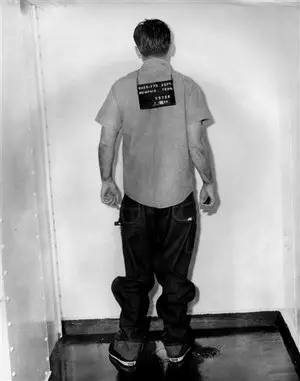
For those of you who have never been arrested and spent time in a jail, it is nearly impossible to fully understand the trauma that an inmate has to deal with.  This Article, the second in a series, will attempt to provide you with a clear picture of the horror and stress an inmate deals with as the days turn into weeks, the weeks into months.
The Inmate
Humans adapt. In no time at all, an inmate's life becomes the 'new normal'.
By the second month of incarceration an inmate begins to relax.  His mind begins to clear of all the original fears and confusion he was first consumed by as he understands his life as he knew it is over, at least for the moment.
Humans, like all animals, have an incredible ability to adapt to a changed environment. It takes a little bit of time, but we do find a way to survive.
In jail, the once-hard bed becomes more comfortable, the bland food begins to actually become acceptable.  The lack of privacy and fear of the people they live with is no longer as pressing as it once was.  The inmate has begun to develop a strategy for how he will fight or negotiate his criminal case and now looks at all the options he faces, not with fear, but with a healthy acceptance of his situation.
The inmate has accepted his job may be lost, his car, home and many of his possessions may have to be sold to fight his case or cover his bills. This is a time of transition. Either he will soon be free and will pick up his life as he left it, or he will be coming home to a situation where he will have to rebuild much of what he once had.
He has adjusted to the lack of physical contact with his loved ones.  Visits, phone contact, letters, cards and things to read from the outside are vital during this stage as he needs to know he is still loved and those on the outside are thinking about him. It is the one thing that he still expects and that keeps him sane. Those who do not have this contact withdraw into themselves and stop caring about you, if only to protect themselves from being hurt.
You
You have your own emotional and physical needs, and you begin living your life in a different way, but if you care about the person incarcerated and know this situation is only temporary, keep this relationship going by devoting four to five hours a week to him in the only way you are allowed. Do not feel you have to emphasize how you currently live your life. In the inmate’s mind, your relationship is as real as it was when you were together before his arrest. Having him consumed with jealousy or a fear that he has lost you is not the way for your relationship to stay strong. His memory of your good times together is all he remembers, even though you may remember and feel differently.
If the inmate is emotionally mature, he will start to feel empathy and acknowledge the difficult situation you are left with.  You have had to morph his responsibilities into your own, creating pressures and additional work that are completely unfair to you. Your focus on his needs, in addition to your own, will help him to be appreciative of your unselfishness, and he will feel inclined to profess this to you in the best way that he can. Remind him that you know if your situations were reversed, he would do the same for you.
However, if his demands are unrelenting and your phone calls and visits are filled with anger and accusations from him, then he needs a reality check, and you should tell him he needs to understand the difficult burdens you now have. In his mind he will believe you are being weak and unsupportive, but because it is a two-way street, you must be firm in instructing him to back off if he hopes to have you to stick around and wait for his release.
Happy couple - Inmate and his free wife.Many couples or friends that are thrust into this situation become closer. The fights and petty arguments end as they both look forward to their few meetings and contacts, and they don’t want to waste a minute with trivial matters.  Because he is now sober, he is more rational in his thinking.  He is learning to control his emotions as he lives in an environment where an emotional outburst can snowball into a serious altercation that will affect whether he lives with a few minor privileges or none at all.
Conversely, many couples or friendships completely unravel as the person on the outside comes to terms with the belief that they don’t want or need the person incarcerated.  You may find that your quality of life has subsequently improved considerably. Even if the inmate will be returning soon, he is not wanted back. This is a difficult thing to deal with, but if this is the way it is, you must accept it and lay out a plan to end your relationship sooner rather than later when the inmate is freed.
Keep in mind that a sober and lonely inmate will promise anything to keep you around. If promises are made and you are willing to hang in there, giving him another chance, make him write them in a letter and then go over his promises with him when he gets out.
Inmates who are waiting for a trial and expect to receive a lengthy jail or prison sentence fall into two categories:
  • They fight like hell to keep you.
  • They slowly pull away as their life as they know it is now over.
In both of these circumstances, the inmate probably still cares about you, however everyone deals with their situation with a close friend or loved one locked up in jail differently.  It becomes your decision whether you stay with the inmate or turn your back on him forever.

Ever Been Arrested? – The Fear and Confusion of an Inmate When He Finds Himself in Jail – Part 1

For those of you who have never been arrested and booked into a jail, it is nearly impossible to fully understand the trauma that an inmate has to deal with.  This Article will attempt to provide you with a clear picture of the horror and stress an inmate deals with as their drama unfolds.
The Arrest
When you are first arrested, multiple emotions are firing simultaneously: fear, shame, anger, confusion and more. While everyone handles this moment differently, the reality hits home as soon as the handcuffs are clicked into place, physically binding your movement, making the point that you are now under the  firm control of the police. That by itself drives home an extreme fear that must be experienced to be fully understood.
The shame arrestees feel is also very real. Friends, loved ones, neighbors, co-workers, people you don’t even know will forever have images of you being cuffed, loaded into a police car and driven away to jail.  It’s a horrible experience that will haunt you for the rest of your life.
The Booking
Your booking photo will be with you forever. No matter how hard you try to be cool, this photo conveys your trauma.
Once you arrive at the police station to be booked, you are thrown in a holding cell or are seated and shackled to a bench. Then you wait, and wait, and wait. You watch other recently-arrested people and observe how they are treated. You watch as men and women, who are in the same predicament as you are, spend 12-36 hours getting their mug shot, fingerprints and have interviews with nurses and police.
You experience the discomfort of hunger, thirst, cold and the humiliation of using the bathroom in full view of others. The loud echoes of a steel and concrete room reverberate in your head. The smells of human feces and vomit are ever-present. You may be treated by the police as if you are sub-human and guilty until proven innocent. They may laugh at your discomfort and look at you with disgust.  You are the enemy. Fights break out, other inmates are locked in isolation as they scream in pain and anger. You are angry at them, at yourself, at this world you now live. Increasingly, your mind is filled with these new prisoner thoughts.
Thoughts race and answers do not exist. You think: “I need to get out of here”; “I need someone to help me”; “Who can I call?”; “All my numbers are on my cell phone, which I no longer have access to”; “What about my job?”; “Who’s going to take care of my children?”; “How long am I going to be here?”; “What about my dog?”; “Am I going to be sent to prison?”; “Who’s going to pay my rent?”; “How am I going to get my keys to friends?”; “How can I pay my bills?” and if you’re an addict, “Am I going to have to go ‘cold turkey’?”; “I’m so sorry, I won’t do it again…please can I go home?”.
The Phone Call
If you are the friend or a family member who has the misfortune of fielding his ‘free call’, your first reaction will be to feel anger. You are angry that you are now in a position where the arrestee completely depends upon you to drop everything, get bail money, find a lawyer and get them out of a mess that THEY created. However, it is important to understand, they do not need to hear your anger right now as they are already angry at themselves. They have already been stripped of all human dignity and at this moment, they need you to be there for them.
However, all too often you can’t help them. Either you can’t raise their bail or they need to stay in jail until they are arraigned. Thus begins a new phase of trauma for your inmate.
The First Week in Jail
Reality hits home
An inmate’s first week in jail is the hardest. It is during this time that they have to adjust to so many things at once, it becomes overwhelming. Research has shown that certain events in an individual’s life, life-changing events, induce stress that can overwhelm most people. A new job, a move to a new home, a death or divorce – all of these are stressful, but are difficult to compare to the loss of freedom and radical adjustments to the frightening world inside a jail, a place we never thought we would be.
Let’s review what an Inmate has to deal with:
  • He is in Jail.
  • He is presumed to be guilty.
  • He is frightened of the people around him and fears for his safety.
  • His future is now empty.
  • He is vulnerable.
  • He is cold.
  • He has no glasses and can’t see clearly.
  • He has no cell phone.
  • He has a limited access to call you, if you choose to take the call.
  • His job is in jeopardy.
  • The custody of his children is in question.
  • He is hungry.
  • He faces extended jail or prison time.
  • He is treated with disdain and disgust by the authorities.
  • He is strip searched.
  • He has no privacy.
  • All his comfort foods are not available.
  • The jail food is bland, awful and limited.
  • He is being challenged physically and mentally by inmates who sense his fear and uncertainty.
  • He has no internet access.
  • He is thirsty.
  • He is worried about his children.
  • He is worried about his family.
  • He is ashamed of what his friends and family think.
  • He has no one to speak with.
  • He has nowhere to go to ask questions about what to expect.
  • He is worried about his apartment or home.
  • He is worried about his pet.
  • He is worried about his girlfriend or spouse.
  • He is worried about his car.
  • He is worried about his personal belongings.
  • His jail clothes are itchy, uncomfortable and don’t fit.
  • His bed is hard, uncomfortable, and is kept awake by the snoring of others.
  • He has to wait for mail every day, hoping he hears from loved ones.
  • He has to wait for a visit that may or may not ever come.
  • If he’s an addict; whether it be drugs, alcohol or cigarettes, he is going through withdrawal.
  • The nights are long as this is when the demons arrive and fill his head with more doubt and fear.
Don’t leave those you care about alone during this period after an arrest.  Help the inmate by bailing him out of jail. If that is not possible, you can show your support by visiting, writing and taking his phone calls. You may be pissed off at him, even rightfully so, but try to understand the trauma of what he’s going through during this, the lowest point in his life.

You've been arrested, what is the jail booking process?

You’ve been arrested and you are sitting in the back of a police cruiser on your way to the jail. If this is your first time going to jail, you will be aware of two things: The adrenaline rush of fear of the unknown world you have always wondered about and the uncomfortable feel of the handcuffs clamped tightly around your wrists, pressing against the hard plastic seat of the back of the cruiser. There are a thousand thoughts racing around in your mind ranging from how you could be so stupid to allow this happen, to trying to remember your wife’s phone number so you can call her from a land line, your single call to freedom.

When you were at the scene and got arrested, you were told you had the right to remain silent. Those are your rights as a US citizen. Take your right seriously and do not talk to the police, ask or answer any questions. If you had a criminal defense lawyer, he would tell you the same thing. Keep in mind always that the police are asking questions, not to help you out, but to solidify their case against you. They want a confession and by speaking to them, you are giving them one. Keep in mind also that much of what you say and do will be on tape, both audio and video.
When you arrive at the jail booking area, you will be escorted in with your cuffs still on. Once you get in the building, they may or may not be released from your wrists, however most times the cuffs are taken off the moment you are searched and placed in a staging area. Again, do not say a thing without first speaking to your criminal defense lawyer.
In many jails the staging area is similar to a waiting room in a bus or train station; plastic chairs held together by metal frames, built in groups of 2 rows of chairs by 5 wide. Inmates who are violent or visibly intoxicated are usually placed in holding cells by themselves, while the majority of recent arrestees remain in a large, collective group.
Over the course of the next 5-36 hours, depending on the operation of the facility and the number of people waiting to be booked and released, you will stare into space, watch TV, sleep, eat and use the bathroom with a group of people you might never have spent a minute with outside of jail.
You will go through the following steps:
  • Complete Search of body, clothing, wallet and carry items.
  • Create list of personal property held by jail.
  • Detailed, personal interview with intake officer.
  • Mugshots and Fingerprints.
  • Medical Intake by a licensed nurse.
  • Strip search and clothing disbursement.
  • Shower and disinfectant.
While waiting for bail or to be escorted to your cell, do not discuss your case with anyone. Quite often they will use this time to get you to talk, promising a shorter stay in processing, early release, low bail, etc. You may even get in a conversation with a cellie or chair mate who will spill his soul about his crimes, prompting you to do the same.
Don’t do it! Do not say a thing until you speak to an attorney or get legal advice. Jails are filled with snitches, rats who are desperate to make a deal to get out. Don’t be stupid! Assume everyone in the jail is a rat and you will be safe.

What are Bail and Bonds and How does it Work?

When you get arrested for a crime and are booked into jail, one of three things will happen next:
  • You will be released on your own recognizance with your promise to show up for court
  • You will be held in jail until your court date and/or trial
  • You will be released by posting a certain amount of money, agreeing that if you do not show up for court, you will forfeit that money.
The money that is posted is called BAIL. It can range from $100 to $million$, depending on the severity of your crime and what the judge or magistrate considers your ‘flight risk’; the chance you will not appear before them on your court date.
This guy will fight his case, but when you get charged, fight from the outside if at all possible.
Bail companies in most states agree to pay the entire amount of your bail for a fee of 10-15% of the bail amount. Therefore, if your bail is $100,000, a bail bondsman agrees to pay that amount if you do not appear before the court on your date. If you hire a bail bondsman, you agree to pay a non-refundable fee of $10-15,000.
Four states; Illinois, Kentucky, Oregon and Wisconsin do not allow commercial bail bondsmen, instead allowing you or someone else to post the 10-15% ‘BOND’ with the understanding that if you do not appear, whoever posts the Bond … which in our example is $10-15,000, will forfeit that plus another $85-90,000.
Once you are free on bail you need to shop for the best Criminal Defense Lawyer you can afford.  A man on bail is a free man and a free man can fight his case better than a locked up one. Get bail.

Is a Criminal Defense Lawyer Really Necessary?

States have created laws, sometimes so minor, it makes you wonder why your local police even took the time to charge you or your loved one with the crime they have. But if you or someone else has been questioned, are being investigated or have been charged with a criminal offense, you need to begin preparing your legal defense immediately.
With the help of a criminal defense attorney, you must begin developing a defense strategy that will from the outset, keep you free on bail while you fight and/or negotiate the charges against you. Staying out of jail and fighting your charges from home as opposed to from a jail cell is one of the most important things you can do. A ‘free’ man has a lot more leverage in defending himself.
With the help of a local criminal defense attorney, an individual can in most cases, at the very least, decrease the severity of a criminal sentence. Even better, a criminal lawyer understands the loopholes and procedures necessary to attempt to get your charges dismissed completely.
A Criminal Defense Lawyer’s main responsibility is to you. The lawyer’s future livelihood depends on his ability to analyze the probable outcome of your case and do everything to work the case in favor of you. To do anything short of this is considered unethical and could get the lawyer in trouble with the State Bar Association. He could even lose his right to practice law. Therefore, you both have skin in the game. In a sense, both you and your criminal lawyer are fighting to protect your future.
The opposition, the District Attorney, knows that very few people who are arrested understand the law or know what their rights or options are. The DA also knows that you are frightened and are in ‘panic mode’. Therefore, he will do everything in his power, overwhelming you with his knowledge, in order to force you into taking a plea of guilty in exchange for less time and/or a less severe criminal offense.
A good criminal lawyer, coupled with a knowledgeable client who is willing to fight his case to the very end, puts the District Attorney on defense and forces him to put his energies into cases where there is no lawyer defending a client. The DA just wants convictions. It helps his career and it is the sole factor that his work is judged by. If he meets too much resistance and the credibility of the charges come into question, he will walk away.
On the other hand, YOU are fighting for your life.
Your local District Attorney is most likely overwhelmed with criminal cases, the majority of them petty nuisances. He does not have time to prosecute them all. He and your county court do not have the resources to take every case, or even a small percentage of them to trial. The DA wants to settle your case so he can focus his attention on the few cases that actually do go to trial as that is where his job performance is judged. Your criminal defense lawyer understands this and knows how to work this situation to your advantage.
He knows that his career will be successful only if he is able to successfully defend you; the charges reduced significantly or better yet, dismissed entirely. Your lawyer depends on you and others, including your local media to tell others the wonderful job he did in saving your ass.
Lastly, a conviction, whether it is a plea deal or from a judge or jury, will stay with you always. The economic damage to your future earnings after being convicted of a felony or serious misdemeanor is 20, 50 or 100 times more than the cost of reputable, competent criminal defense lawyer.
Do not ignore the importance of this. Consult with a lawyer today and fight for your freedom, your future and your family’s economic well being.
And never, ever, ever….. talk to any County, State or Federal Law Enforcement agent without your criminal defense lawyer present because…
EVERYTHING YOU SAY, CAN AND WILL BE USED AGAINST YOU IN A COURT OF LAW!